
The Ethics of Immortal Choice
A History of the Vampire in Popular CultureThis thread examines whether transformation can ever be moral when it removes a person’s future and imposes an endless existence.
increasing Bearing strength in each event
 decreasing
Bearing strength in each eventdecreasingUnchosen Turning
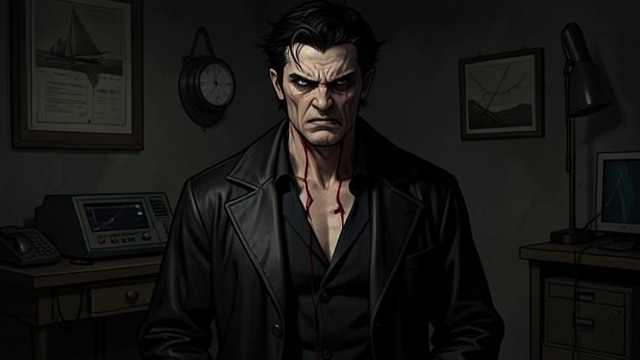
Unchosen Turning
Forced Continuation
Many vampires are bitten or transformed without meaningful consent. Their later crimes begin inside an identity imposed on them.
Responsibility Questioned
The book asks how much blame belongs to a creature for instincts created by another. Moral judgment becomes complicated without disappearing.
Carlisle’s Rescue
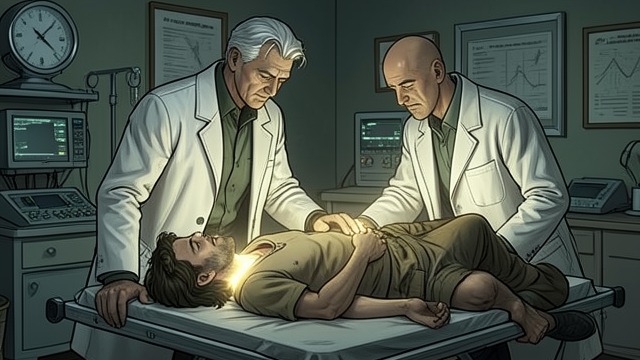
Carlisle’s Rescue
Doctor as Creator
Carlisle Cullen transforms dying people and calls the acts rescue. His medical identity makes the ethical problem sharper because healing ordinarily requires consent.
Permanent Consequence
The saved individuals cannot later choose ordinary death. Compassion becomes indistinguishable from ownership when the result is eternal.
Bella’s Request
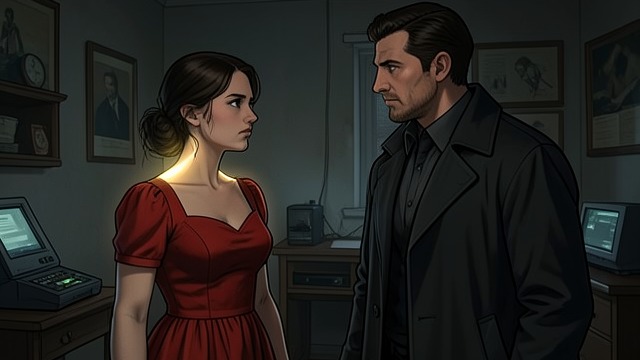
Bella’s Request
Deliberate Consent
Bella Swan requests transformation and accepts the stated risks. Her decision appears to solve the consent problem that surrounds earlier vampire creation.
Romantic Pressure
Yet Edward Cullen’s influence and their unequal relationship complicate the choice. Consent can be formally present while emotional power remains uneven.
Clara’s Reversal
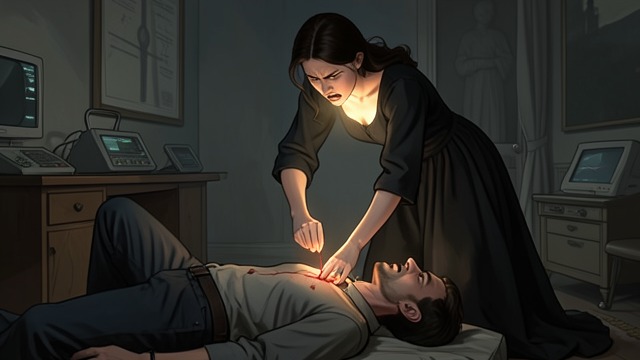
Clara’s Reversal
Violence Against the Attacker
Clara Radley kills a classmate after he sexually assaults her. The act awakens the family’s suppressed vampire nature.
Morality Under Threat
Her family must decide whether predation is always wrong when it answers prior violence. The novel makes moral judgment depend on context and survival.
The Impossible Cure
The Impossible Cure
No Return Path
Once transformed, fictional vampires rarely regain ordinary mortality. Even remorse cannot restore the life that existed before the bite.
Freedom Reconsidered
The book therefore treats immortality as a choice with no exit. Its romance depends on hiding the coercion built into permanence.
traditional vampire narratives
the twentieth century
Breaking Dawn
The Radleys
the epilogue
